Scanpalm er en blogg om internett, kommunikasjon og business
Internett har endret måten vi kommuniserer med hverandre på. Det har også endret måten vi driver forretning på. Internett har gjort det lettere for folk å jobbe eksternt og på egne premisser.
Scanpalm-bloggen er en digital publikasjon som deler artikler om hvordan internett endrer livene våre og hvordan det påvirker virksomheten vår.
Et av de siste eksemplene på denne endringen er AI-teknologi, som har blitt brukt av enkelte selskaper for å lage innhold på en mer effektiv måte.
Nedenfor finner du en rekke definisjoner og begreper som er ytterst nødvendig å forstå for å kunne maksimere din nytteverdi ut av Scanpalm sin blogg.
NB: takk til vår sponsor i 2022 Vedora.no som tilbyr alt fra bjørkeved til tuja-hekk med hjemme levering fra kun 99,-
Hva er digitalisering
Digitalisering er prosessen med å konvertere fysiske objekter til digitale data på alle måter. Opprinnelig ble dette begrepet brukt for å beskrive konvertering av trykte dokumenter og bøker til datafiler. Nå inkluderer den alle former for digital informasjon og medier.
Det handler ikke bare om å erstatte papir med digitale dokumenter, men det handler om overgangen fra analog til digital informasjon og media. Digitaliseringsprosessen har ført til mange endringer i ulike bransjer som produksjon, utdanning, transport og helsevesen.
Hva er IKT
IKT står for informasjons- og kommunikasjonsteknologi. Det er teknologien som gjør mennesker i stand til å kommunisere og dele informasjon i et globalt samfunn.
IKT har utviklet seg over tid, med introduksjonen av nye teknologier som Internett, mobiltelefoner og sosiale medier. Denne utviklingen har ført til opprettelsen av mange nye arbeidsplasser i forskjellige sektorer som IT, telekommunikasjon, dataprogrammering, ingeniørfag, markedsføring og reklame.
Bruken av IKT har økt betydelig de siste årene, med anslagsvis 1 milliard mennesker som nå bruker det på daglig basis.
Hva er annonsering?
Reklame er prosessen med å prøve å overtale folk til å kjøpe et produkt eller bruke en tjeneste. Det kan betales med penger, eller det kan være gratis. Reklame er rundt oss, i aviser, magasiner, på reklametavler og gjennom TV-reklamer.
Reklame er formidling av ideene og troene til en person om et produkt eller en tjeneste til en annen person med det formål å selge den varen eller tjenesten. Nå om dagen er det mer aktuelt med reklame i sosiale medier og på Google.
Les mer om Google-annonsering her
Hva er blockchain?
Blockchain er en desentralisert digital hovedbok som registrerer transaksjoner mellom to parter effektivt og på en verifiserbar og permanent måte.
Blokkjedeteknologi er ryggraden i kryptovalutaer, som Bitcoin. Det har potensial til å forstyrre mange bransjer, inkludert bank, forsikring, helsevesen og produksjon.
En blokkjede er en type distribuert hovedbok som opprettholder en kontinuerlig voksende liste over poster kalt blokker som er koblet og sikret ved hjelp av kryptografi.
Den ble oppfunnet av Satoshi Nakamoto i 2008 for å tjene som den offentlige transaksjonsboken for Bitcoin, som ble utgitt i 2009.
Hva er DEFI teknologi?
DEFI er en teknologi som gir digital opplevelse for brukeren. Det er en teknologi som kan brukes til å skape digitale opplevelser for brukerne på ulike måter.
DEFI-teknologien tilbyr ulike brukeropplevelser, for eksempel:
– Digital UI/UX-design
– Digital produktutvikling og prototyping
– Interaktiv historiefortelling (VR)
– Kunstig intelligens (AI)
– Augmented reality (AR)
– Virtual Reality (VR)
– 3D-design og animasjon
Nylige bloggposter
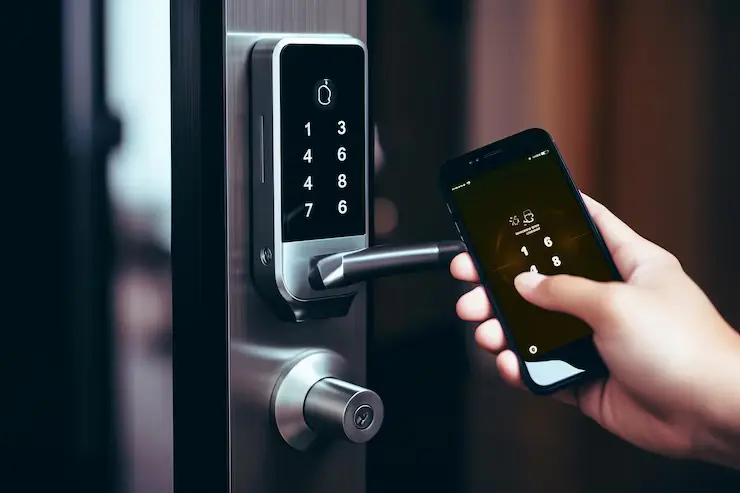
Forstå kompleksiteten i pengeskapslåser: Fra kombinasjonslås til elektroniske systemer

Forstå kredittscore: hva de betyr og hvordan du kan forbedre dine

9 nyttige råd til deg som akkurat har begynt å strikke
5 tips for å spare strøm hjemme

Fordeler og ulemper med fliser kontra tregulv